
by | Oct 2, 2020
“The Good Nazi” is one of those rare films that weave science, history and extremely personal human stories. During the Holocaust, a Nazi major named Karl Plagge, arrived in Vilnius, Lithuania as part of the occupation force. When he saw that the SS was hellbent on murdering every Jewish man, woman and child, Plagge decided to save Jews, rather than murder them. So he ran a covert operation. On the surface, he was commandant of a forced labor camp called “HKP”. In reality, he was sheltering hundreds of Jewish families. By the end, many were saved in hiding places dug into the ground and carved into the walls. Many more were executed by the SS and buried in a mass grave. Today, the former “HKP” – unchanged! – is home to impoverished Lithuanians. Because the government is about to tear down the site and put up condos instead, a group of scientists arrives to locate the hiding places of those that were saved and identify the mass grave of those who were murdered. A child survivor of the camp and an American physician, whose mother was saved by Major Plagge, join them. The film tracks their three stories and, ultimately, brings to light the unknown tale of a Schindler-type German who listened to his conscience, instead of his superiors.

by | Oct 2, 2020
‘There is a global war against Christianity’ states Timothy Radcliffe, former master of the order of preachers. According to a Vatican report, 100,000 Christians are martyred every year. Others are harassed, raped or attacked, and subjected to forced displacement and the destruction of their places of worship. Nowhere is the problem more severe than in theMiddle East. Under Saddam Hussein, almost 1.5 million Christians lived in Iraq. Today, there are less than 200,000. ISIS have vowed to cleanse the are as they control of Christians and even outside the caliphate, Christians are regarded with suspicion and seen to represent the West.
by | Sep 18, 2020
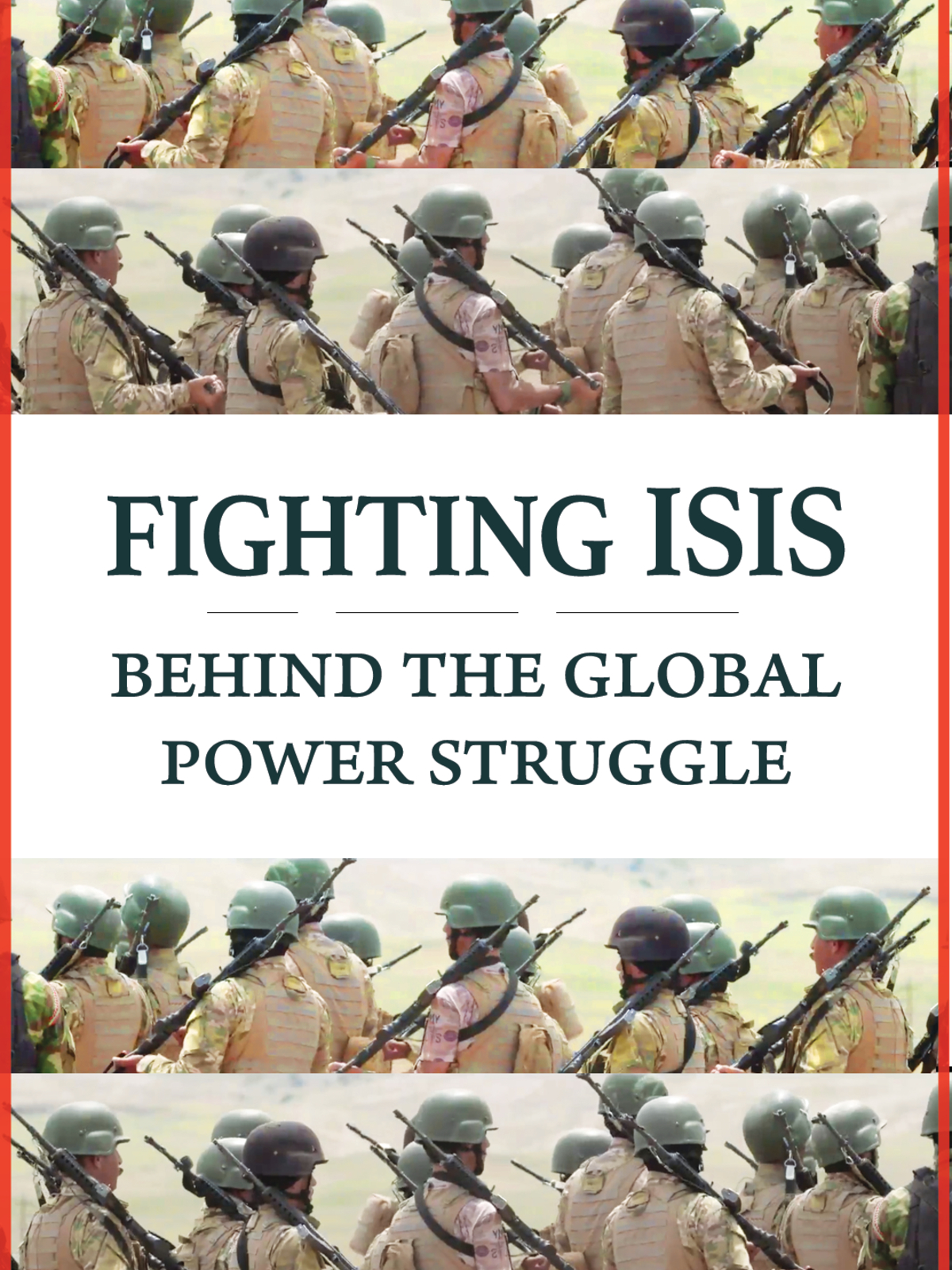
ISIS successfully exploited Sunni discontent to take control of large swathes of Iraq. It was only after the attacks in Europe that a new Iraqi army, meant to rally together Sunnis and Shiites and embody national unity, was created. But in reality, the army is regarded as an offshoot of the Shiite regime. Many believe that Sunnis and Shiites can no longer peacefully co-exist and the Kurds hope to profit from these fractures to form their own homeland. In Syria, when the uprising first started, Assad was able to divide the opposition and secure his own dictatorship by freeing the most radical Islamic prisoners. He has used ISIS to weaken his enemies and present himself as a bastion against terrorism. Invoking religious solidarity, he has the support of Shiite Iran and Hezbollah. Featuring interviews with officials, witnesses and survivors at the forefront of the hidden conflict against ISIS, this documentary delves deeper into the heart of a complex, political and seemingly interminable war.

Recent Comments